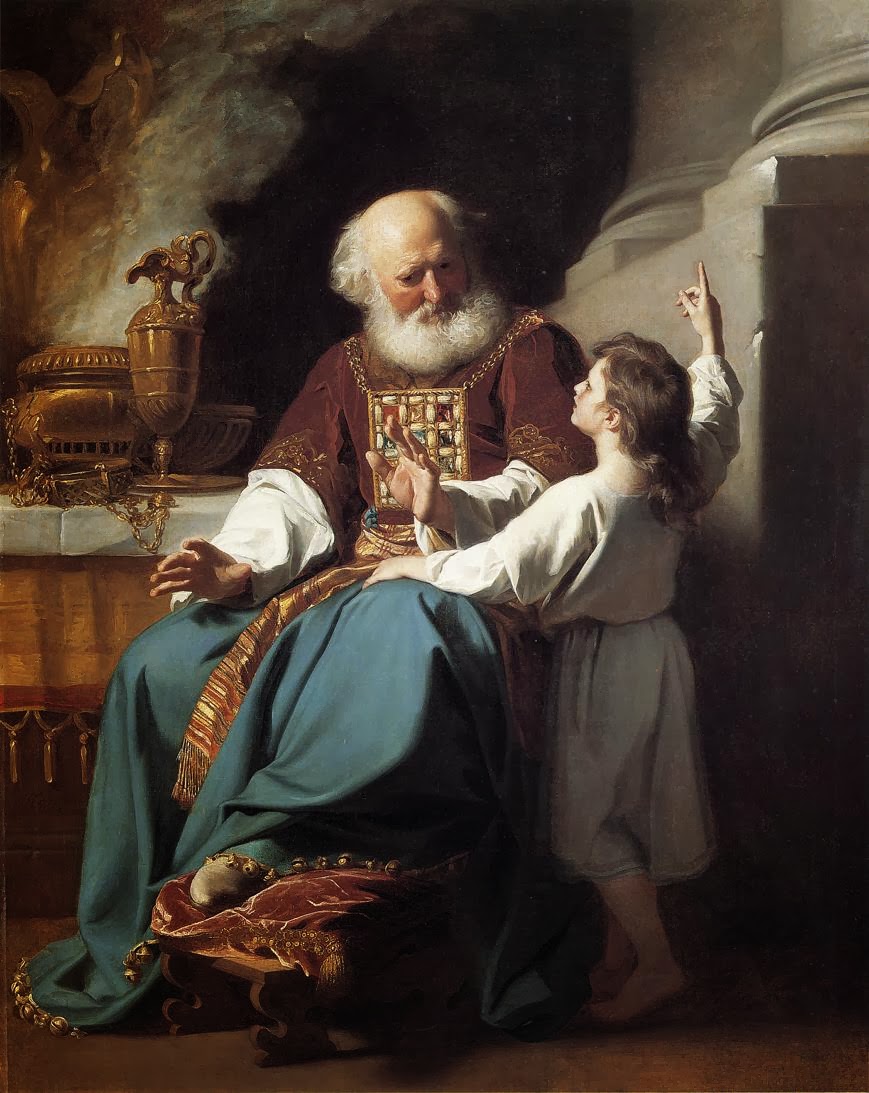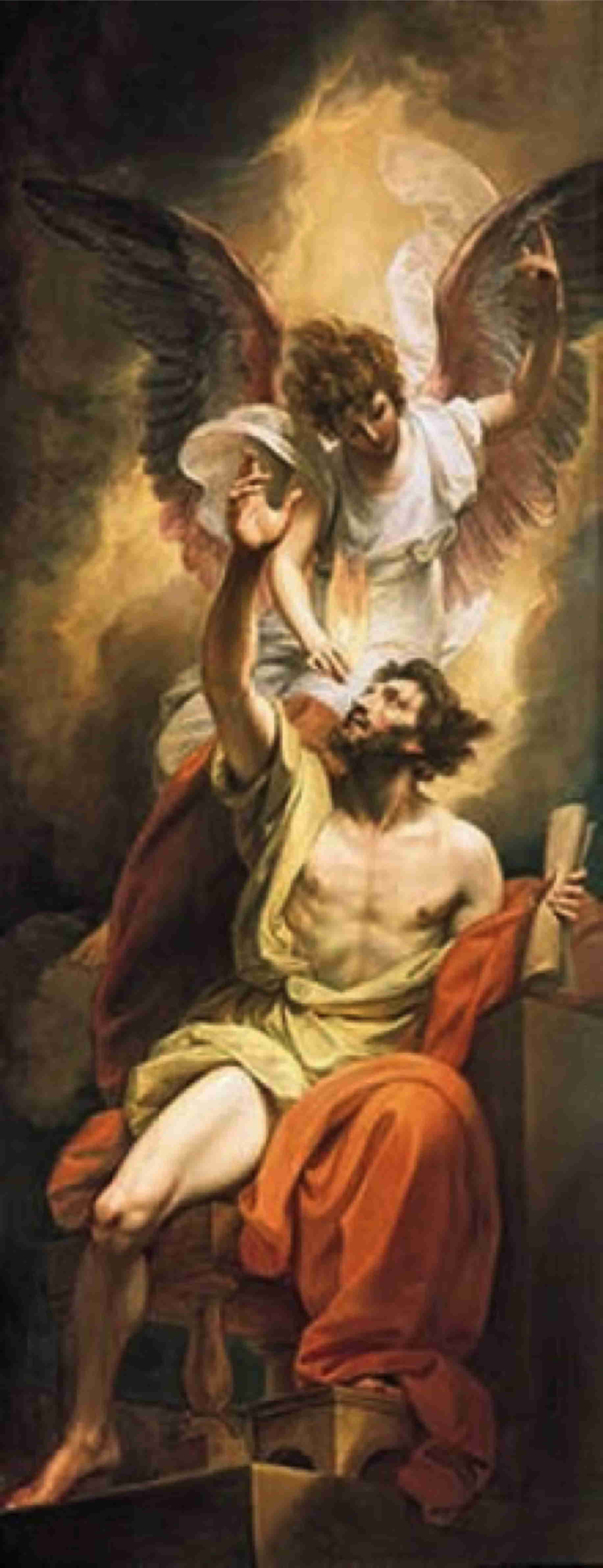
An Old Testament KnoWhy relating to the reading assignment for Gospel Doctrine Lesson 36: “The Glory of Zion Will Be a Defense” (Isaiah 1-6) (JBOTL36A)
Question: The short heavenly vision of Isaiah 6 is almost as difficult to understand as the entire book of Revelation. How might we interpret its symbolism?
Summary:Isaiah 6 is important for two reasons: 1. Historically, it gives us insight into the prophet’s divine commission, received near the beginning of his ministry; 2. Doctrinally, it provides valuable insights into the commissioning of other prophets and individuals who received similar visions. Much of what makes Isaiah’s vision — as well as his prophecies — difficult to understand is his rich poetic imagery, which is often grounded in temple symbolism. This article provides a detailed commentary on Isaiah 6, focused largely on these temple themes. Though none of the temple-related insights are exclusive to Latter-day Saints, their general familiarity with temple doctrines and practices make this chapter more accessible to them than to many other Christians.
The full article may be found at the Interpreter Foundation website: ypKnoWhy OTL36A — How Might We Interpret the Dense Temple-Related Symbolism of the Prophet’s Heavenly Vision in Isaiah 6?

 This podcast series features past FairMormon Conference presentations. This is a special episode that contains the second of two presentations given at our conference earlier this month about the new book series being published by the Church, Saints: The Story of the Church of Jesus Christ in the Latter Days. The first volume will be released on Tuesday, September 4. (If you would like to watch the video of this and the other presentations from the 2018 conference, you can still purchase
  Steven C. Harper is a historian for the Church of Jesus Christ of Latter-day Saints who has served as an editor of The Joseph Smith Papers, working on volumes in the Documents series and the Revelations and Translations series. He taught religion at BYU from 2002 to 2012 and religion and history at BYU–Hawaii from 2000 to 2001. He earned his PhD in early American history from Lehigh University in Bethlehem, Pennsylvania. He is the author of Joseph Smith’s First Vision: A Guide to the Historical Accounts (2012), Making Sense of the Doctrine and Covenants (2008), and Promised Land: Penn’s Holy Experiment, the Walking Purchase, and the Dispossession of Delawares 1600–1763 (2006), as well as multiple published articles on early Mormonism and the early American republic. Two of these were awarded the T. Edgar Lyon and Juanita Brooks awards by the Mormon History Association.
 Scott is the Executive Director of the Rollins Center for Entrepreneurship & Technology at BYU. Under his leadership the program has been ranked in the top five of all collegiate entrepreneurship programs for each of the past seven years, ranking #2 in 2016. He is also the Founder and Chairman of Omadi, Inc., a venture backed SaaS mobile CRM platform for workforce management, serving the towing/transportation markets. Scott is a long time entrepreneur having co-founded or partnered in building seven companies (harvesting four), including several current ventures. Additionally, he serves on several business and private foundation boards. In 2005, Scott published a significant work, titled Where Have All The Prophets Gone?, a historical, theological book on early Christianity using the Bible, the Pseudepigrapha, the Apocrypha, the Dead Seas Scrolls, the Nag Hammadi Library, and all of the extant early Christian writings. In 2014 Scott published his second book, Do the Mormons Have a Leg to Stand On?: a Critical Look at LDS Doctrines in the Light of the Bible and the Teachings of the Early Christian Church. Scott and his wife Marilyn are the parents of 5 married children and they have 15 grandchildren. Scott serves as Stake President of the Provo Utah YSA 4th Stake.
 Michael R. Ash is the author of Shaken Faith Syndrome: Strengthening One’s Testimony in the Face of Criticism and Doubt, Of Faith Reason: 80 Evidences Supporting the Prophet Joseph Smith, as well as Bamboozled by the “CES Letter.” A former columnist for the Deseret News’ Mormon Times, he has also been a frequent contributor to the online blogs, Meridian Magazine, as well as the Mormon Hub. Mike has been published in the Ensign, Sunstone Magazine, Dialogue: A Journal of Mormon Thought, in the FARMS Review, and most recently contributed a chapter to Kofford Book’s Perspectives in Mormon Theology: Apologetics. Joining FairMormon in the year 2000, Mike delivered a paper at the 2nd annual FairMormon conference and has contributed papers to seven additional conferences (including this one) since. Mike and his wife Chris live in Ogden and are the parents of three daughters and the grandparents of six grandchildren.
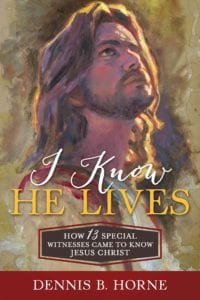 A selection from the 2017 book,